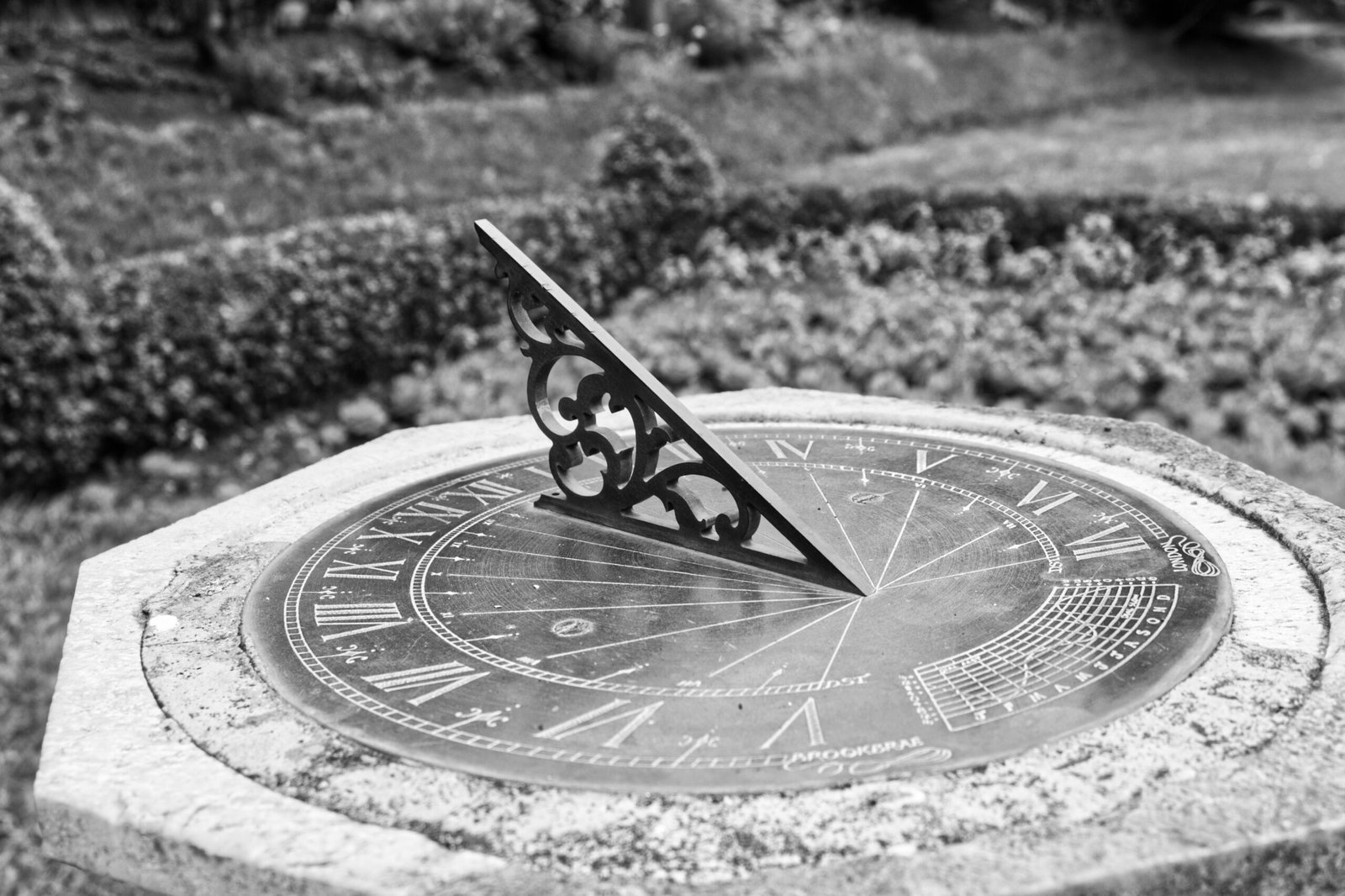
I fell down a Wikipedia rabbit hole last night about how humans used to tell time, and honestly, we take it for granted. If you lived in the year 1500, you’d basically just look at the sun and guess “Eh, it’s probably around 3 PM.”
The Sundial and Water Clocks
Ancient Egyptians were using shadows to track time thousands of years ago. It worked great until the sun went down. Then they were stuck. So, they invented “water clocks”—basically buckets with holes drilled in them. They measured time by how long it took the water to drip out.
Imagine trying to set an alarm for your 8 AM class using a bucket of water.
The Mechanical Revolution
Later, monks in Europe needed to know exactly when to pray, so they invented gear-based clocks. They were huge, heavy, made of iron, and honestly not very accurate. They would lose like 15 minutes a day.
Quartz and Digital
The real game-changer was Quartz. Scientists discovered that if you run electricity through a quartz crystal, it vibrates at a super specific frequency. This allowed for cheap, accurate watches. This is likely what is inside the watch you are wearing right now.
Why Online Clocks are the Modern Sundial
Today, time comes from the internet (NTP servers). XClock syncs with your browser, which syncs with an Atomic Clock somewhere in a government lab.
When you look at the [Digital Clock] on this screen, you are actually looking at a timestamp that originated from a cesium atom vibrating billions of times a second. It’s pretty wild when you think about it.